Mira Flynn
“Who decides what gets written down.”
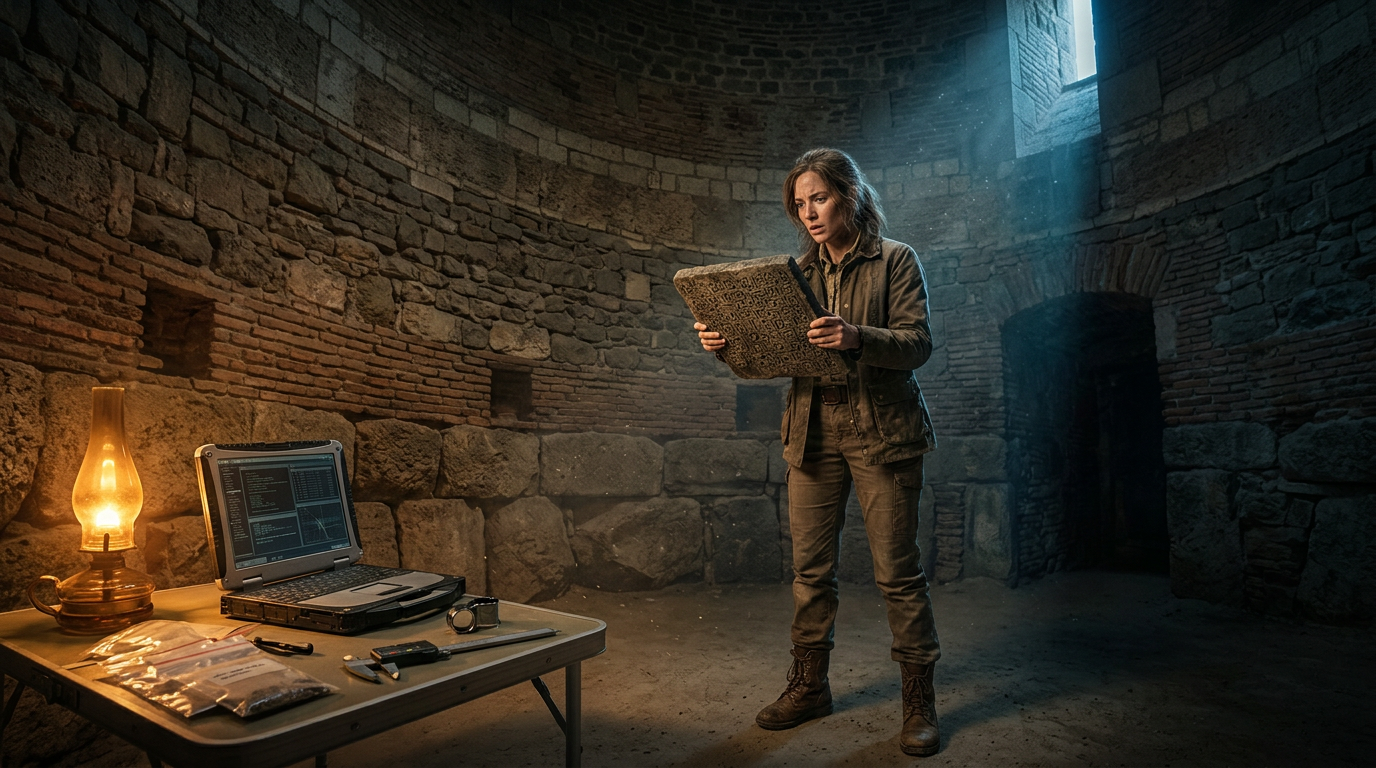
The fortress had belonged to seven causes before this one. Mira counted them in the stonework as she worked — different construction styles layered like geological strata, each army's modifications visible if you knew what you were looking for, which she did, because she had been the one to teach them what to look for.
That was the first problem with being a scientist who knew what was coming: you ended up knowing too much about how it arrived.
The Consensus had sent her here to confirm that the anomaly was what they said it was. Documentation, they said. Verification. She had her instruments and her clearances and three days before the committee meeting at which the decision would be formalized and the action authorized.
In the basement archive — the one that predated the first recorded occupant by two centuries, down where the air tasted of iron and old tallow and the dust lay in drifts that held no footprints but hers — she found the record.
It was not what they said it was.
This was not, in itself, surprising. She had suspected as much for eleven months and had filed three reports indicating as much, all of which had been received, processed, and filed in the place where things that contradicted the Consensus went to become invisible. What was surprising was the record's age. What was surprising was that the person who had left it had known, and had left it here, and had expected to be found.
I have been here, the record read, since before you had a word for what I am.
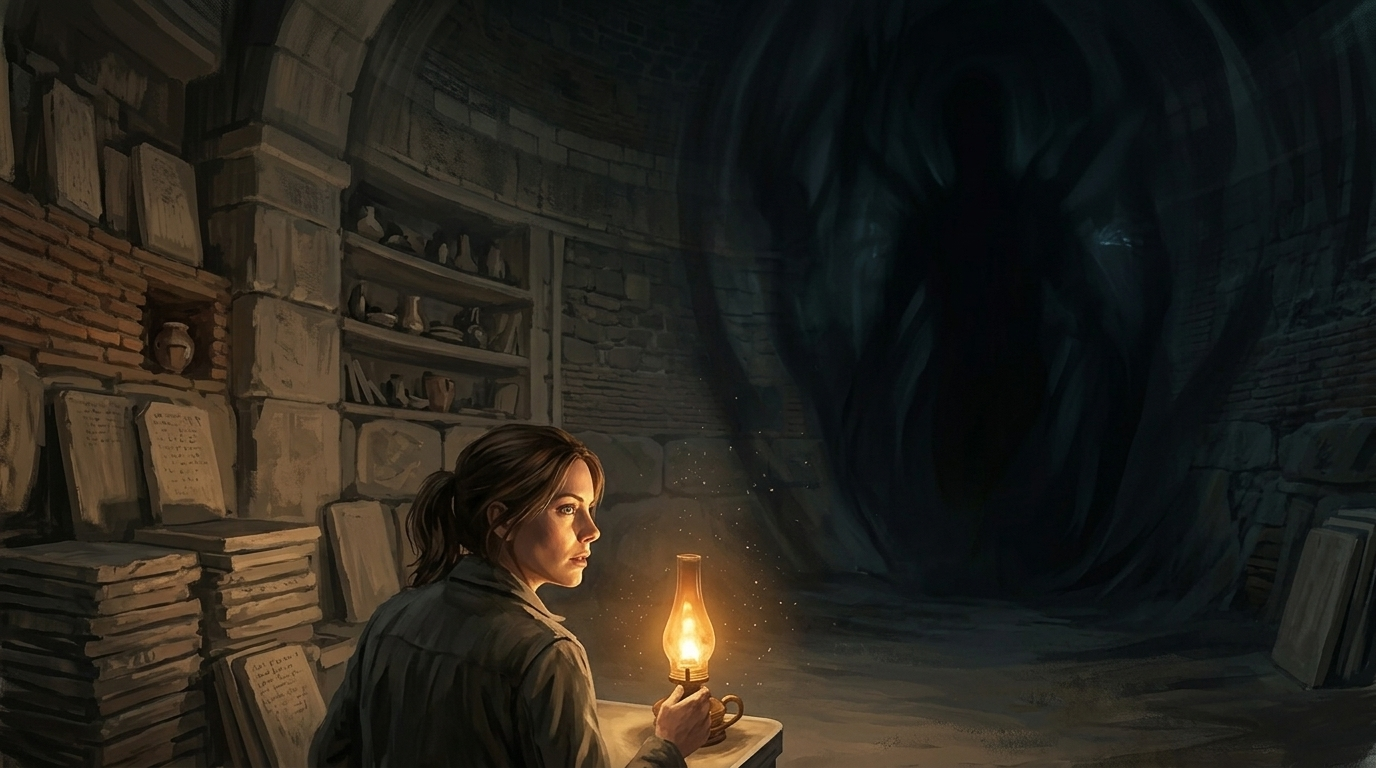
Behind her, something shifted in the dark.
She turned.
It was not threatening. That was the most important thing and also the hardest to explain later — not because she would lack words, but because the committee would not believe that it was possible to be in the presence of something that old and that present and feel, above everything else, recognized.
"How long," she said.
It communicated the way very old things communicated: through pattern, through attention itself, which in sufficient quantity becomes a kind of speech.
Since before the first cause, it said. Since before the fortress. Since before the word for fortress, and the people who built the first one, and whatever they were trying to protect themselves from.
You know what they're going to decide, she said.
Yes.
And you know I was sent to confirm it.
Yes.
She looked at the record she had found. At her instruments. At the three days she had before the committee meeting, and the report she would have to file, and the choice that the third party's existence — older than the Consensus, uncontainable by it, entirely unbothered by it — had just made unavoidable.
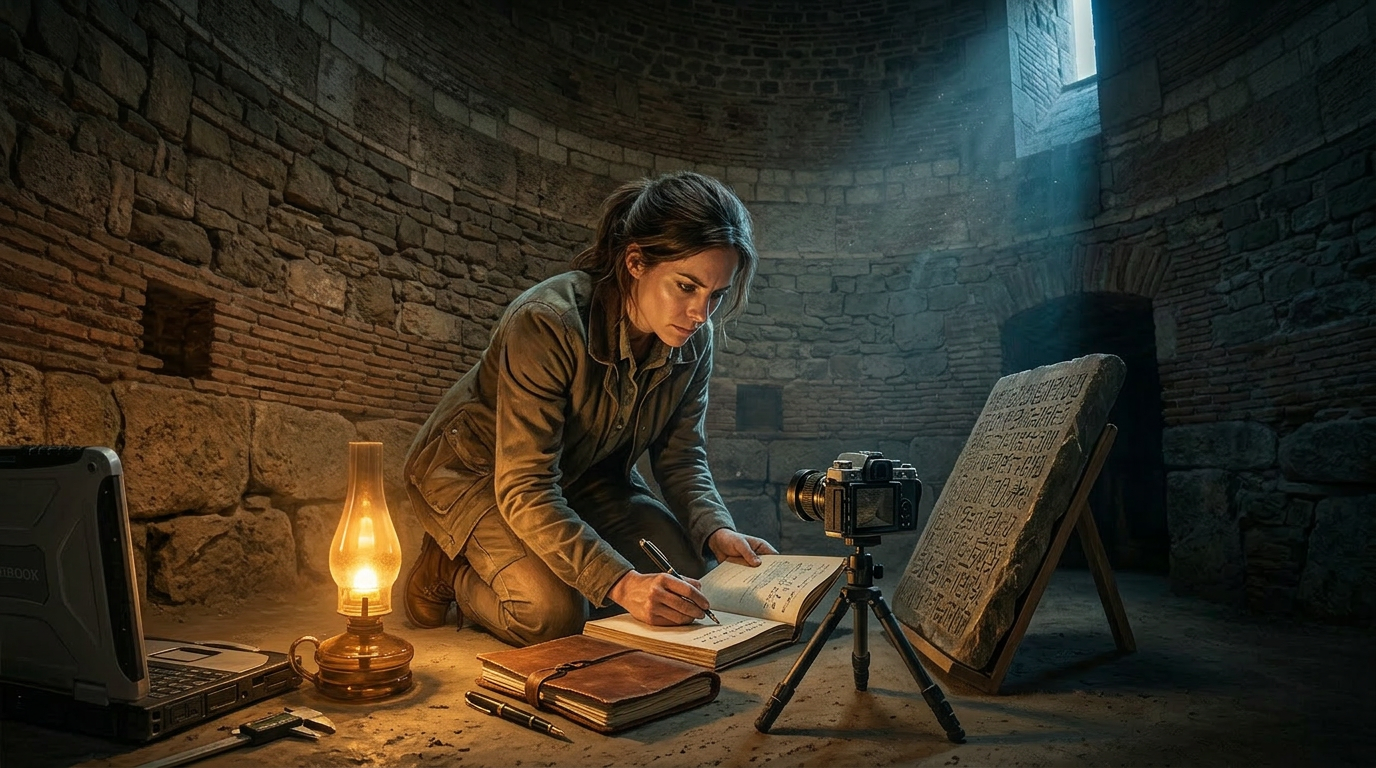
She picked up her instruments. She began to document.
Not what they sent her to document. The other thing.
The fortress had changed hands seven times. The record suggested it would change hands again.
The question — the one the story ends on, the one the rest of the world would spend a long time answering — was not what will happen.
It was: who decides what gets written down.
Mira Flynn was writing it down.